
1. Consider Your Restroom Traffic
The number of people using a restroom is one of the most important factors when selecting paper towels.
Low-traffic environments: Small offices, private facilities, and meeting spaces may prioritize comfort, appearance, and convenience.
Medium-traffic environments: Corporate buildings, restaurants, and hospitality venues often need a balance of user comfort, product capacity, and refill efficiency.
High-traffic environments: Airports, universities, stadiums, and transportation facilities typically require reliable products and dispensing systems capable of handling frequent use.
In busy facilities, choosing the appropriate dispenser capacity and refill format can help reduce the time maintenance teams spend servicing restrooms.
2. Understand Absorbency and Strength
Two important characteristics influence paper towel performance: absorbency and wet strength.
Absorbency describes how effectively a towel takes up water. Wet strength refers to its ability to maintain integrity when exposed to moisture. These characteristics are related, but they are not identical.
A towel may absorb water quickly but lack the strength required for demanding applications. Another may be strong but less efficient at absorbing moisture. The right balance depends on how and where the product will be used.
Advanced manufacturing processes, including Through-Air-Drying (TAD) technology, can create structured paper fibers designed to improve absorbency and strength. Papernet’s Dry Tech technology uses this approach to deliver high-performance paper products for professional environments.
3. Choose the Right Dispensing System
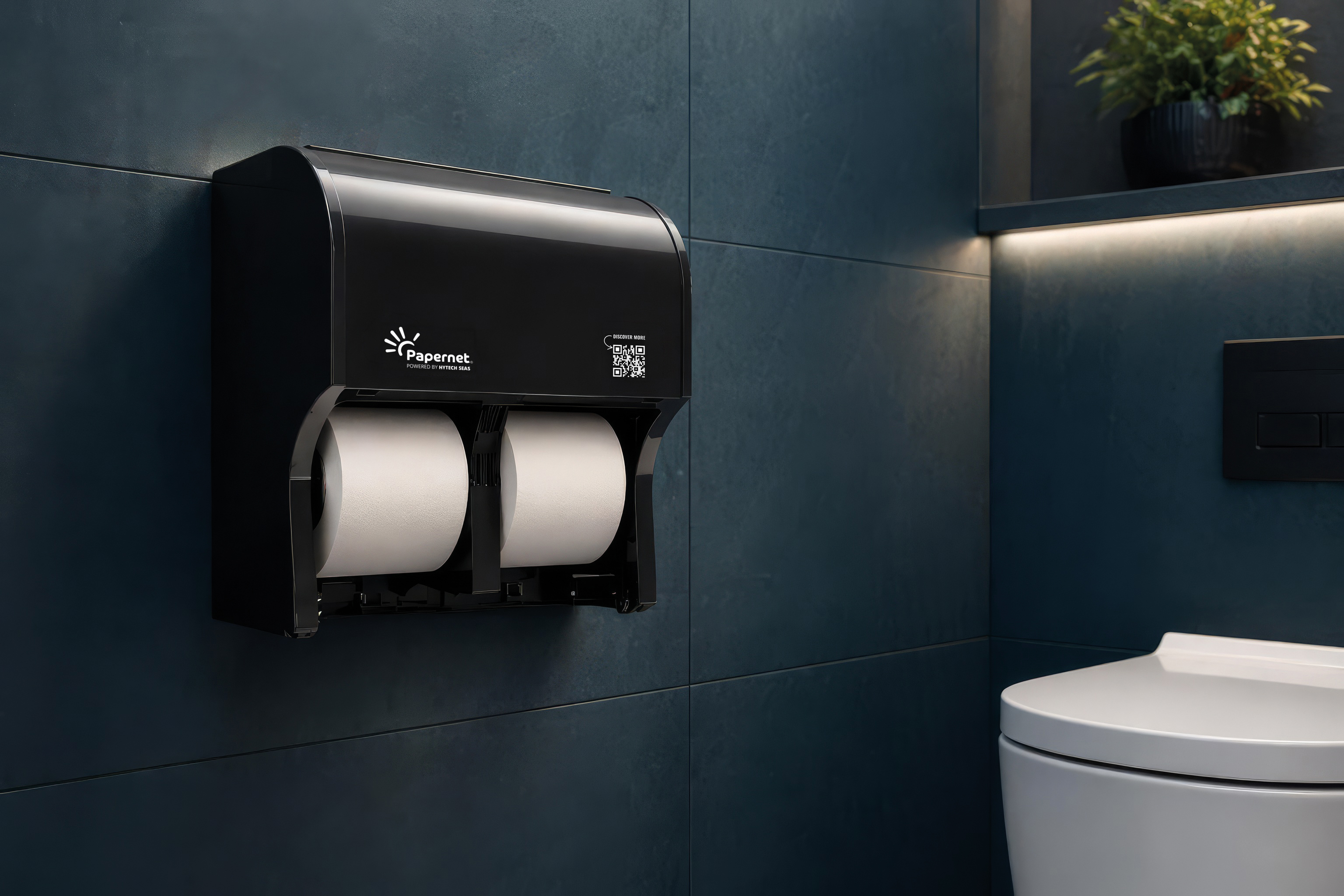
Paper towel performance should never be evaluated independently of the dispenser. A suitable dispensing system can help provide convenient access to towels, support controlled dispensing, reduce unnecessary handling of unused sheets, simplify refilling and maintenance, and maintain a consistent restroom experience.
Before selecting a system, consider available wall space, expected traffic, refill frequency, accessibility, and compatibility with the paper format. A well-designed combination of towel and dispenser can make everyday facility management more efficient.
4. Look Beyond the Price per Case
When comparing paper towels, purchasing teams often focus on the cost per case. However, this number does not provide a complete picture.
A more useful evaluation considers the total cost of use, including purchase price, number of towels used per visit, refill frequency, labor required for maintenance, waste generated, product performance, and user satisfaction.
For example, if one towel format requires fewer sheets per hand-drying event, it may provide better overall value even when its unit price is higher. Actual savings depend on consumption patterns, dispenser configuration, and facility conditions.
5. Consider Your Sustainability Goals
For many businesses, hygiene purchasing decisions are increasingly connected to broader sustainability objectives.
When evaluating paper products, consider the origin of the raw materials, relevant third-party certifications, manufacturing practices, and the potential for reducing unnecessary consumption. Responsible sourcing and efficient product use can both contribute to a more informed purchasing strategy.
Look for clear, verifiable product information rather than relying on general environmental claims.